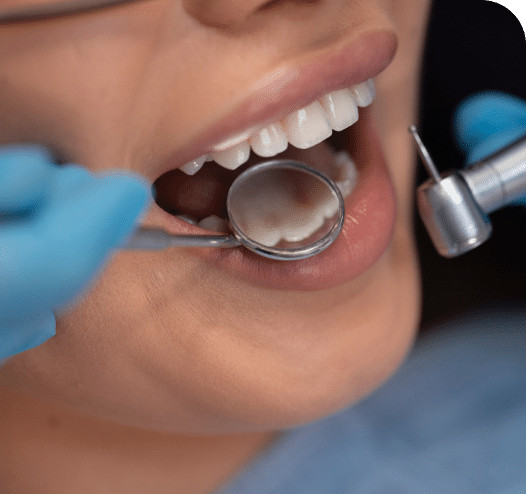
What is periodontics and how is it different from general dentistry?
Periodontics is a dental specialty focused on periodontal (gum) disease, oral inflammation, and dental implants. Periodontists receive an additional three years of specialized training beyond general dentistry.
What are the signs and symptoms of gum disease I should watch for?
Key warning signs include red, swollen, or bleeding gums; bad breath; gums receding; gaps or pockets between teeth and gums; loose teeth; and changes in how your teeth fit together when you bite.
What causes someone to be at higher risk for periodontal disease?
Risk factors include medical conditions like heart disease, diabetes, pregnancy; lifestyle and environmental factors such as smoking, stress, genetics; age; diet; certain medications; and teeth grinding.
How does a periodontist examine for gum disease?
During an exam, a periodontist assesses gum colour, any recession, presence of gaps or pockets around teeth, bleeding, loose teeth, and also evaluates bite alignment and overall soft-tissue health.
What is scaling and root planing (deep cleaning), and when is it used?
Scaling and root planing (also called “deep cleaning”) is Gold Standard periodontal care. It involves cleaning plaque and tartar from under the gums (scaling) and smoothing root surfaces (root planing) so bacteria have a harder time sticking. It’s used when gum disease is detected.
Can early gum disease be reversed?
Yes—if caught in its early stage (gingivitis), damage may be reversed through proper oral hygiene, regular cleanings, and possibly more frequent or enhanced periodontal maintenance.
What are the connections between gum disease and other health conditions?
Gum disease is linked with other medical issues—those with heart disease, diabetes, or pregnant individuals are at higher risk. Systemic health, medication, genetics, smoking, and lifestyle also influence periodontal disease risk.
How can I prevent periodontal disease or manage it if I’m at high risk?
Preventative and management steps include: maintaining excellent at-home oral hygiene (brushing, flossing daily), keeping regular dental checkups and cleanings (every six months or more often if needed), notifying your dentist of relevant medical conditions or risk factors, and possibly getting more frequent or deep cleanings if judged high-risk.